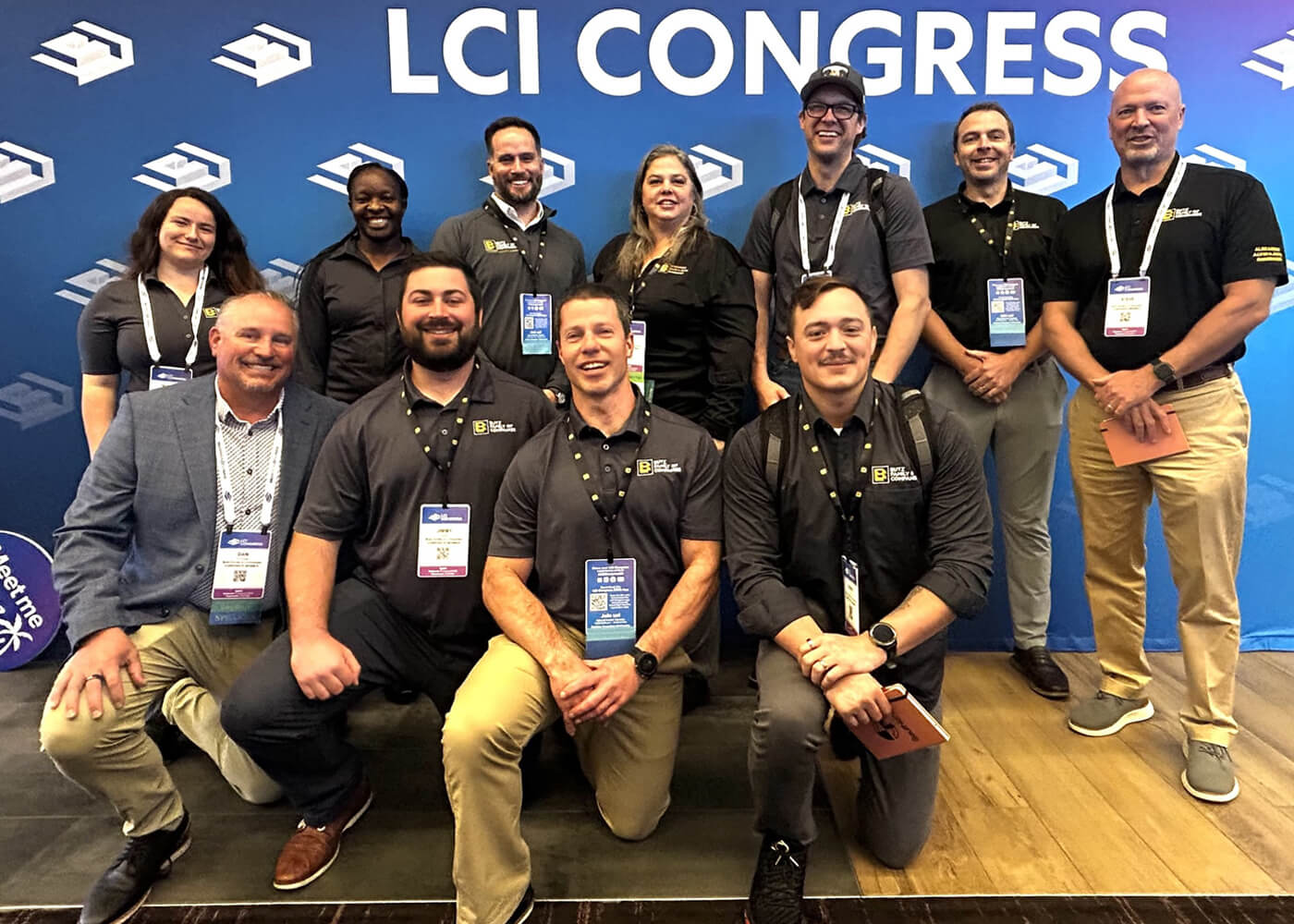
The Butz Family of Companies recently attended the 2026 Lean Construction Institute (LCI) Congress in Atlanta, Georgia, where employees joined construction professionals from across the country to explore innovative ideas, share best practices, and further strengthen their understanding of Lean principles and collaborative project delivery. For many attendees, the event highlighted the value of culture, leadership, and continuous improvement in creating successful project outcomes. “One of my biggest takeaways from Congress was how much project success comes back to building the right culture. We can have all the right tools and processes, but it’s the relationships we build, the trust we create, and knowing the team will support each other through the challenges and successes of a project that really makes the difference. It also reinforced for me how important leadership skills are, not just for the people with leadership titles, but across the whole team. If we want to keep moving our industry forward, we need people who can bring teams together, hold themselves accountable, and create an environment where everyone can do their best work,” said Emily Lowe, LCI-CPC, LCI-CPD-SME, CM-Lean, Director of Lean.
LCI Congress continues to serve as one of the construction industry’s premier events for advancing Lean practices, fostering collaboration, and sharing lessons learned across projects and organizations. This year, 12 employees from across the enterprise participated in educational sessions, networking opportunities, workshops, and collaborative discussions focused on improving project delivery and team performance.
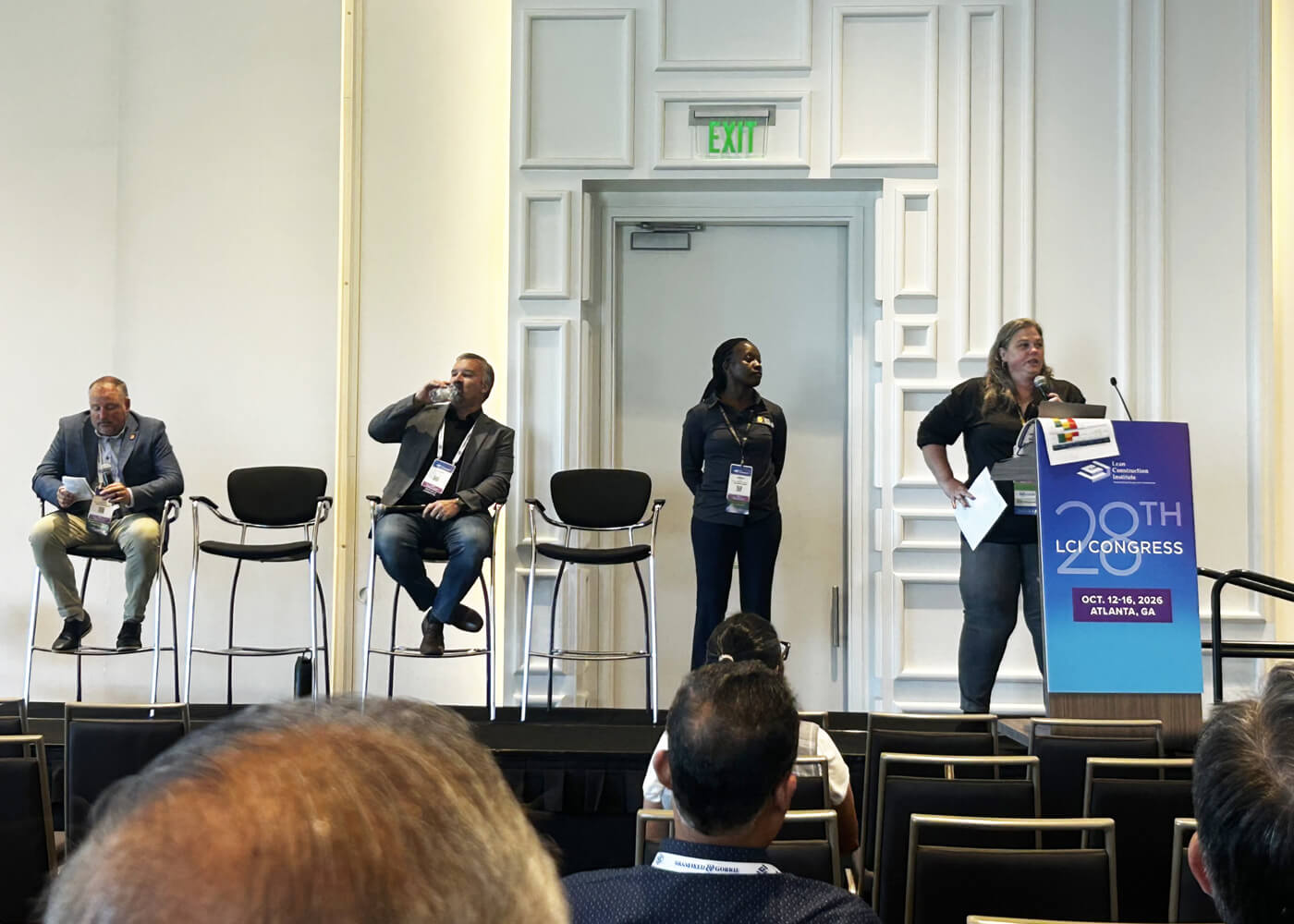
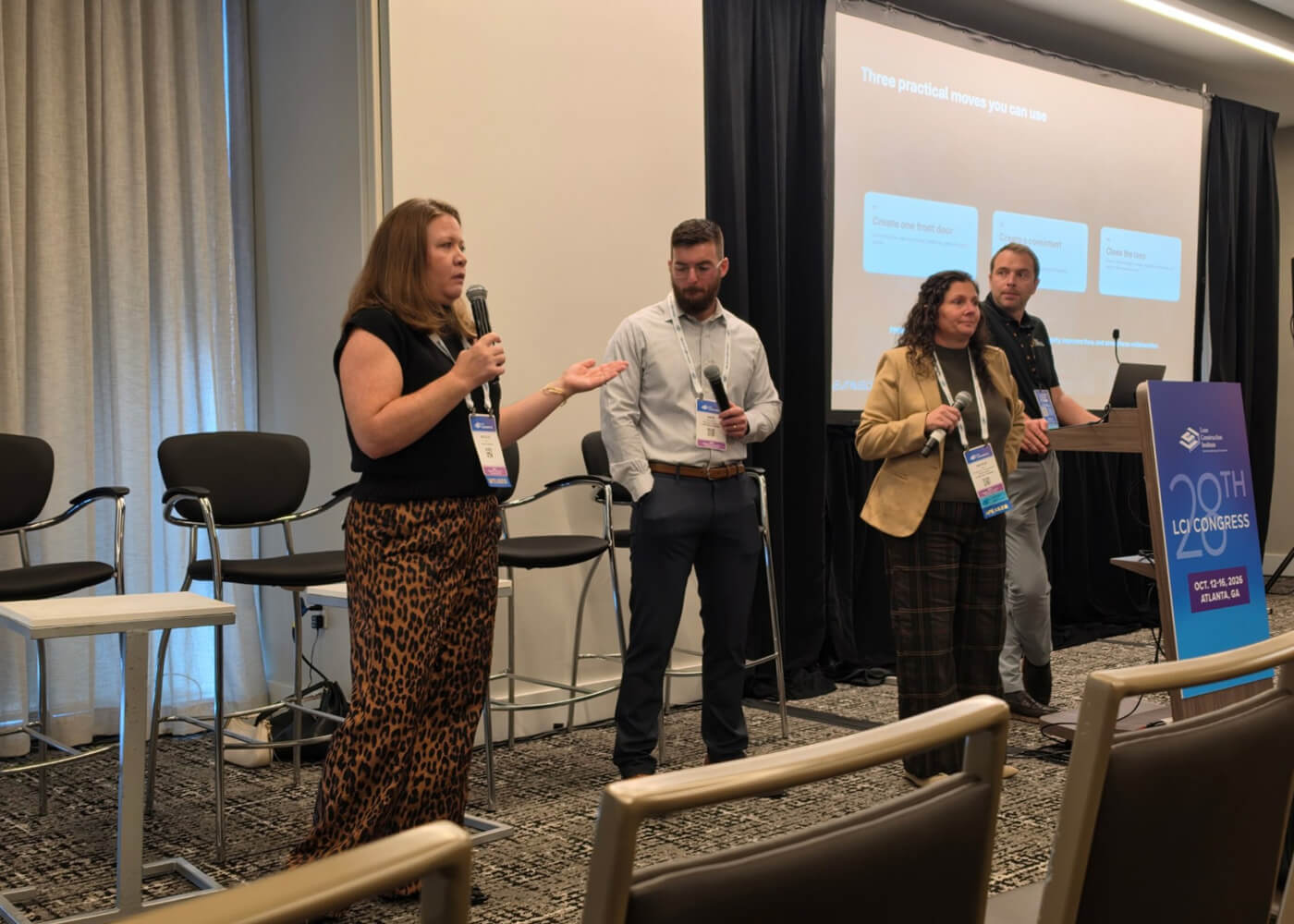
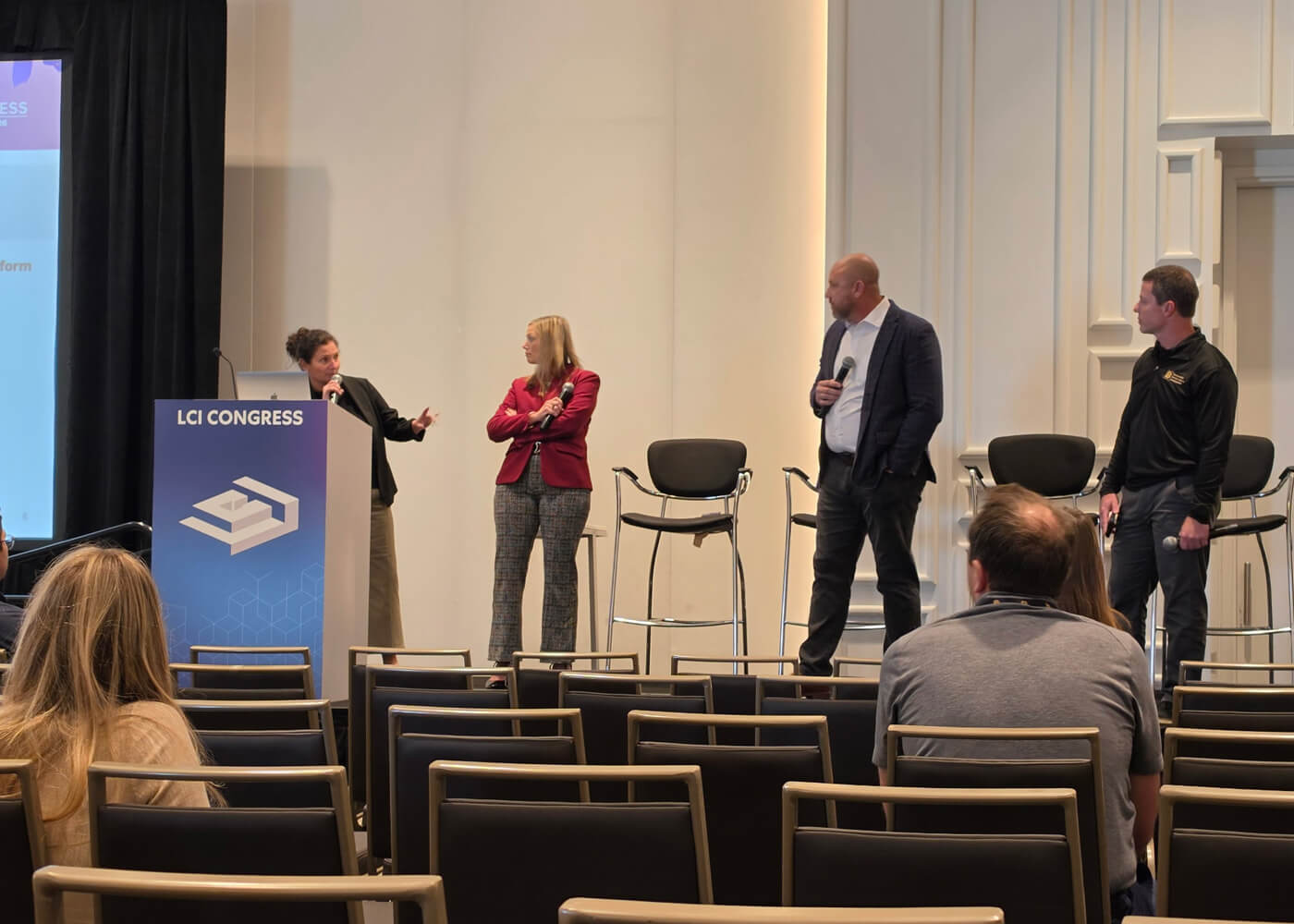
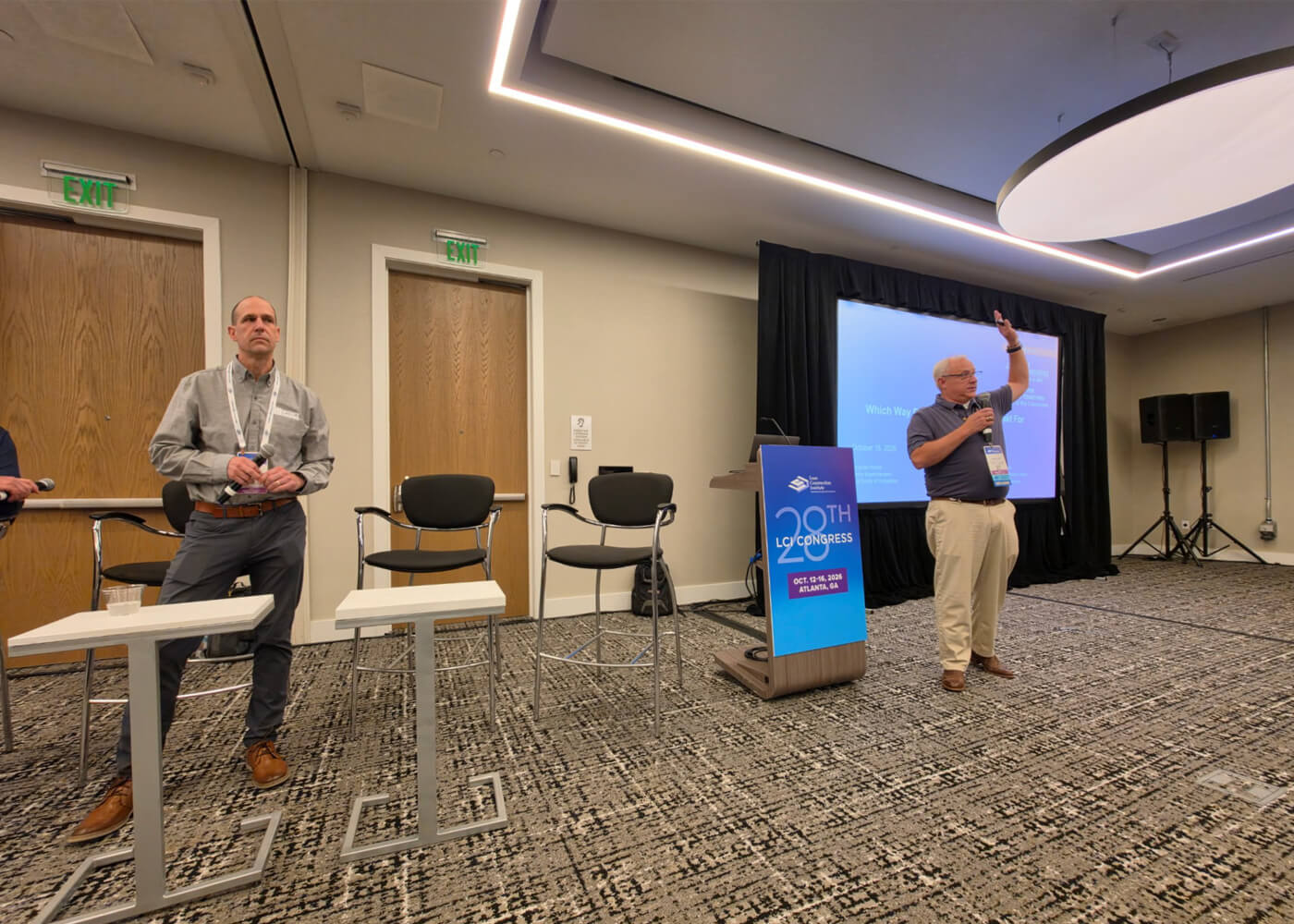
Employees presented alongside industry partners on several topics, offering practical insights and lessons learned from Lean project delivery:
- Peach State Productivity: Lean Thinking for Onboarding, presented by Derek Bauer, explored strategies for introducing Lean principles to new employees, helping accelerate team integration, strengthen project culture, and build alignment among project partners.
- Successful Target Value Processes: Insights from 3 Projects, presented by Dan Flickinger, Emily Lowe, and Lorine Ouma, examined research findings from three case studies to evaluate the opportunity to review Target Value as a system.
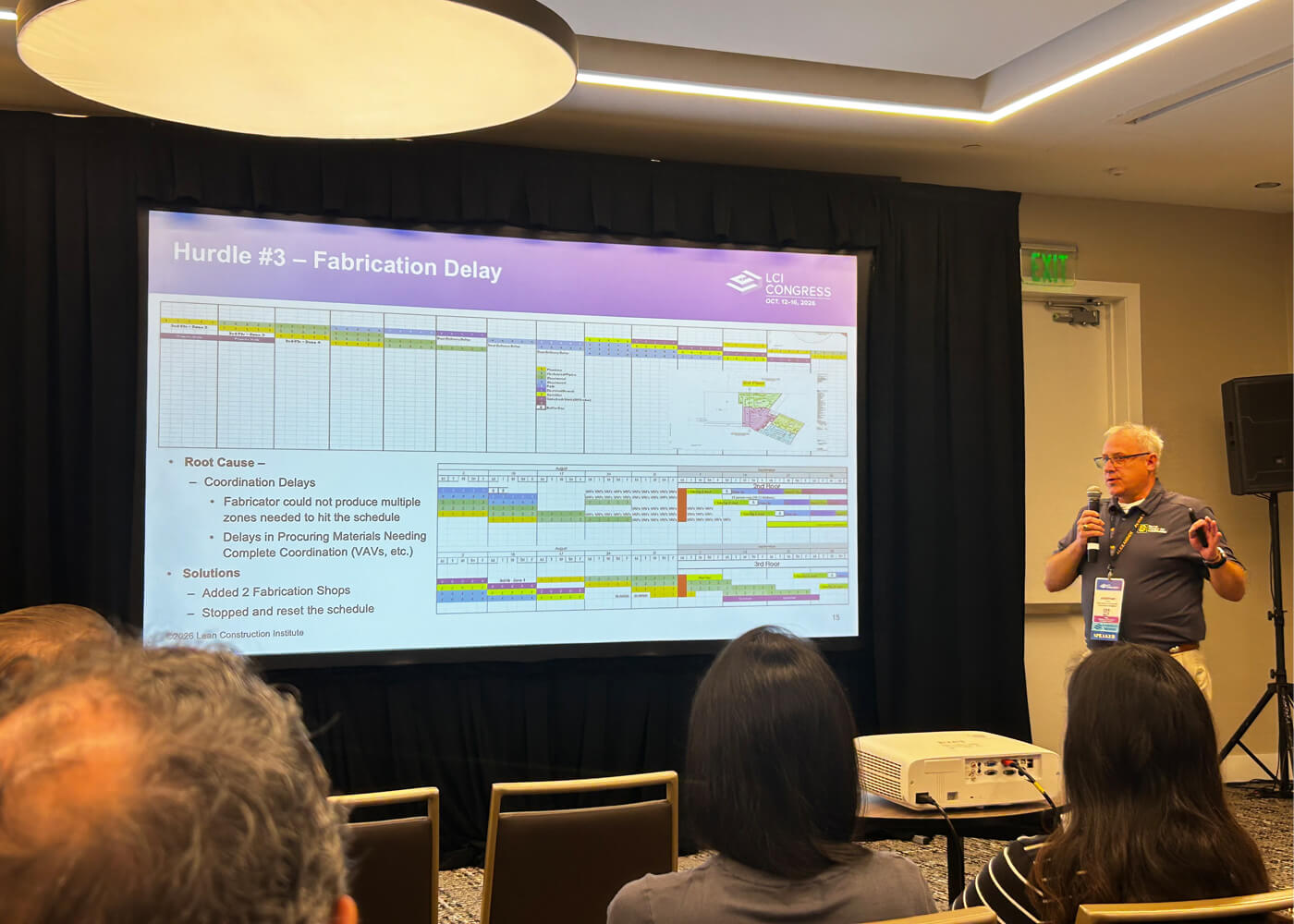
- Which Way Do We Turn? Navigating Takt for the First Time, presented by Jon Witmer, shared lessons learned from an IPD team implementing Takt planning for the first time, including challenges, successes, and strategies for maintaining workflow reliability.
- 3Ps in a Pod: Transforming Ambulatory Exam Rooms, presented by Mark Yatcilla, showcased how the Lean 3Ps (Purpose, Process, and Performance) framework was used within an IPD model to engage stakeholders, standardize ambulatory exam room design, improve clinical workflows, and accelerate project delivery through collaborative planning.
Our team’s involvement at LCI Congress also included leading two Learning Day sessions. Emily Lowe taught the LCI Learning Course: Target Value Delivery – Module 1, and Dan Flickinger led the LCI Learning Course: Lean Deployment Guide, providing attendees with practical knowledge and strategies for implementing Lean principles.
First-time attendee Jimmy Knoll, Superintendent, appreciated the opportunity to learn from Lean practitioners throughout the industry and bring new ideas back to project teams. “As a first-time attendee at LCI Congress, I was amazed with the hundreds of attendees across the industry, all there to share their stories of how Lean construction made their companies and projects successful. From the interactions I had with folks from around the country, I gained valuable insight on how Last Planner System, Huddles and Respect for People can help drive project success. I am excited to bring my knowledge back to my teams to share and model on our IPD projects,” said Jimmy.
The knowledge gained at LCI Congress will continue to support the Butz Family of Companies’ commitment to collaboration, continuous improvement, and delivering value to clients and project partners. By sharing experiences, learning from industry peers, and contributing to the broader Lean community, employees returned with new perspectives and practical ideas that can be applied across projects throughout the enterprise.